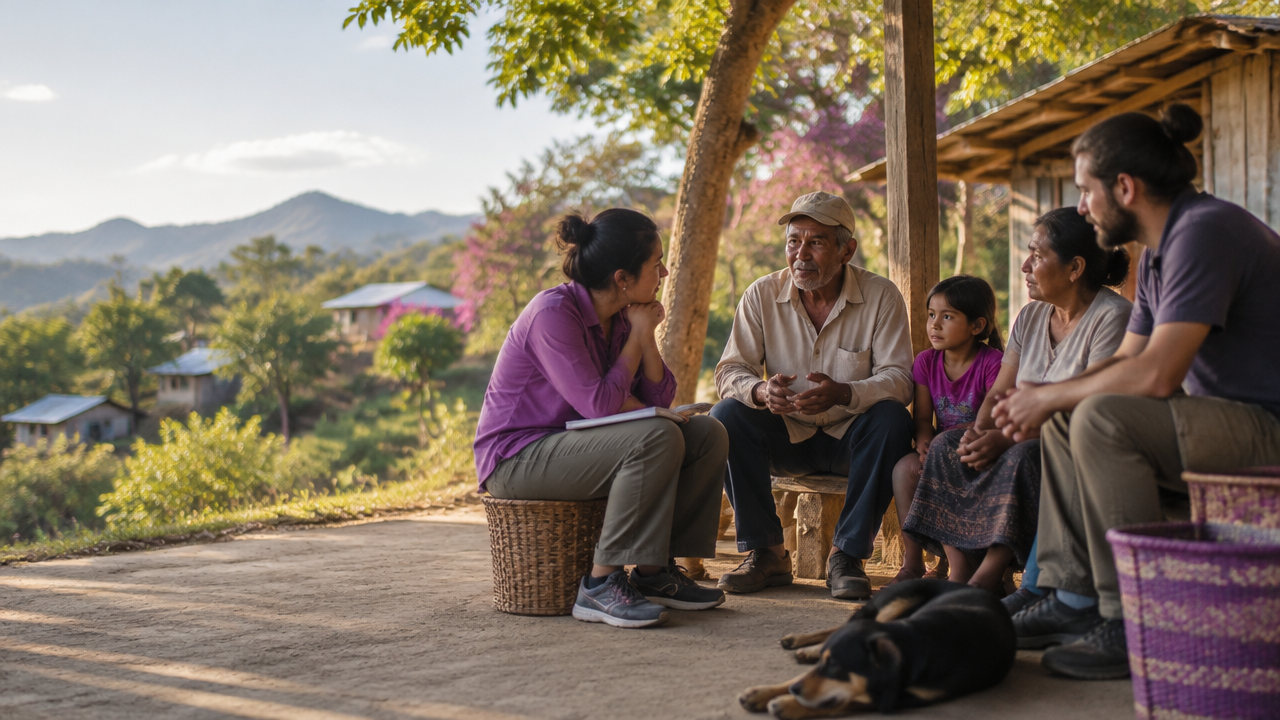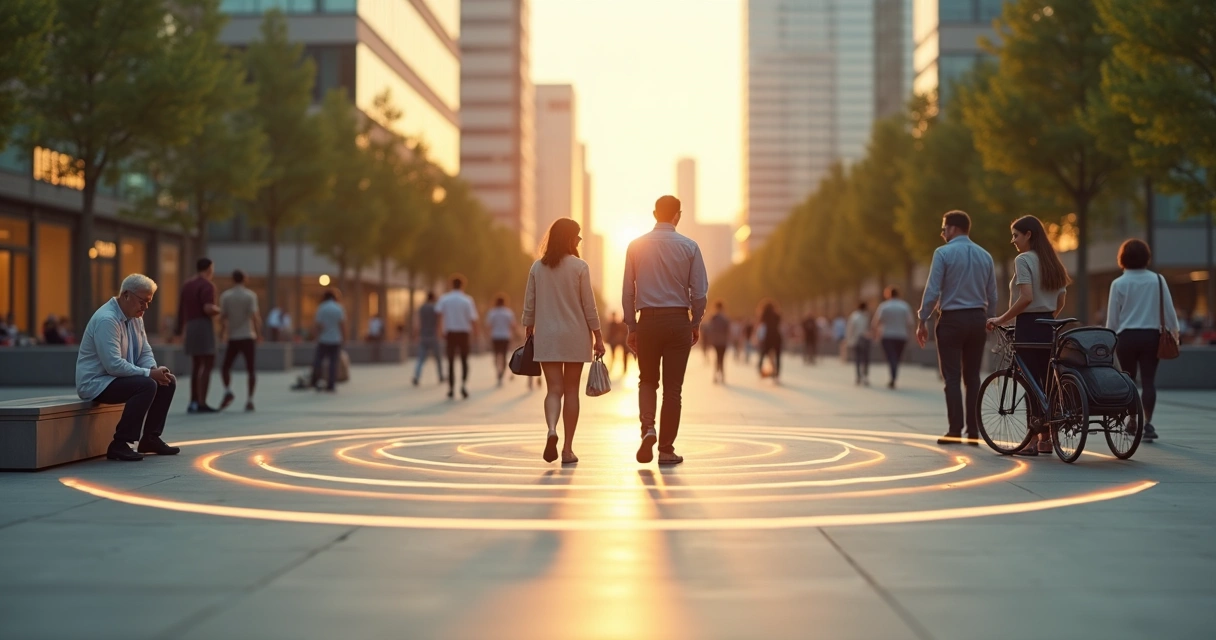


Trust is the invisible currency that shapes our relationships, guides our decisions, and directs the future of organizations and leaders. Every day, we are asked to trust products, companies, institutions, and people. But what really builds this trust? Is it the image presented to the world, the reputation crafted over time, or the lasting social impact of our actions?
How reputation is built and maintained
For many, reputation is like a well-worn coat—something you put on before stepping outside. It is built through consistent communication, polished branding, and careful management of public perception. Reputation draws from our history, our successes, and even the stories others tell about us.
We have all seen reputation play out in everyday life. A neighbor praised in the community for honesty, a restaurant known for cleanliness, a company recognized for reliability—these reputations feel solid. Yet, under the surface, these stories are held together mostly by perception. What people think about us can change fast when challenged by new information or events.
Reputation is how the world sees us, not always who we are.
- Reputation can be inherited from past actions.
- It is shaped by both truth and rumor.
- It can be protected, enhanced, or lost overnight.
Often, a well-maintained reputation gives the appearance of trustworthiness. But when pressure builds—such as during a crisis or scandal—surface reputation may fall apart, revealing the real foundations underneath. This can leave people wondering: Is reputation enough?
What does true social impact mean?
Social impact goes deeper than public image. It is the value created by actions that benefit others beyond ourselves. Social impact shows up when we improve lives, invest in communities, or challenge unfair systems. Unlike reputation, it cannot be faked for long. Impact is visible in what changes—people, neighborhoods, cultures, and minds.
If we ask ourselves how our choices ripple outwards, we begin to see social impact at work:
- Implementing fair labor practices that lead to better worker lives
- Investing in local education, health, or safety and seeing standards rise
- Pursuing sustainability to protect the environment for future generations
- Supporting diversity and inclusion and watching new voices find a place
True social impact is measured not just by numbers or reports, but by the transformation that continues when attention fades.

We know from experience that while reputation draws eyes, social impact draws hearts. When people see real, positive change, their trust grows roots. Surface-level promises struggle to compete with the power of ethical action and demonstrated responsibility.
The connection between trust, reputation, and social impact
Often, reputation and social impact are discussed as separate forces. In truth, they are intertwined. Reputation can open doors, create first impressions, and bring opportunities. Social impact turns those moments into durable growth and lasting relationships.
Building trust sometimes starts with a good reputation. But lasting trust depends on whether actions align with words. When social impact follows promise after promise, trust turns to loyalty and support. If words and actions drift apart, trust dissolves, sometimes permanently.
People trust what is proven, not just what is promised.
- Reputation attracts attention.
- Impact builds conviction.
- Sustained trust comes when both work together in harmony.
The most lasting trust happens when we connect personal values to broader social goals. When leaders, organizations, or individuals act for something bigger than themselves, trust forms a bridge that even strong criticism cannot break down.
Why reputation fades without real impact
We often hear of public figures or organizations with “good names” who fall from grace after scandals. Their reputation was strong. But when hidden actions come to light—actions that hurt individuals, misuse resources, or ignore responsibility—public trust vanishes overnight.
This happens because:
- People are quick to notice gaps between words and actions.
- The impact of choices—both good and bad—always becomes visible over time.
- Short-term strategies for attention lack the staying power of authentic change.
In our own work and conversations, we have seen how people remember authentic efforts: the manager who protected staff during a crisis, the business that gave back to its community without fanfare, the leader who took responsibility during hard times. Their actions become stories that spread far beyond reputation campaigns.
Impact does not need a spotlight—it shines by itself.
Turning good intentions into meaningful outcomes
Intentions matter. But as we have learned, only when intentions are matched by real, measurable change does trust deepen. Many well-meaning people and groups set out to do good. Yet, without strategy, accountability, and transparency, intentions end up as broken promises or missed chances.
To turn social impact from theory into reality, we believe in focusing on these qualities:
- Clarity of purpose: Why does this matter? Who will it affect directly and indirectly?
- Consistency: Are our actions steady and predictable, or do they shift with opinion?
- Transparency: Do we openly share goals, results, and mistakes, or hide our process?
- Accountability: Are we prepared to take responsibility, even when things go wrong?
- Inclusion: Are we listening to those most affected and including them in the process?
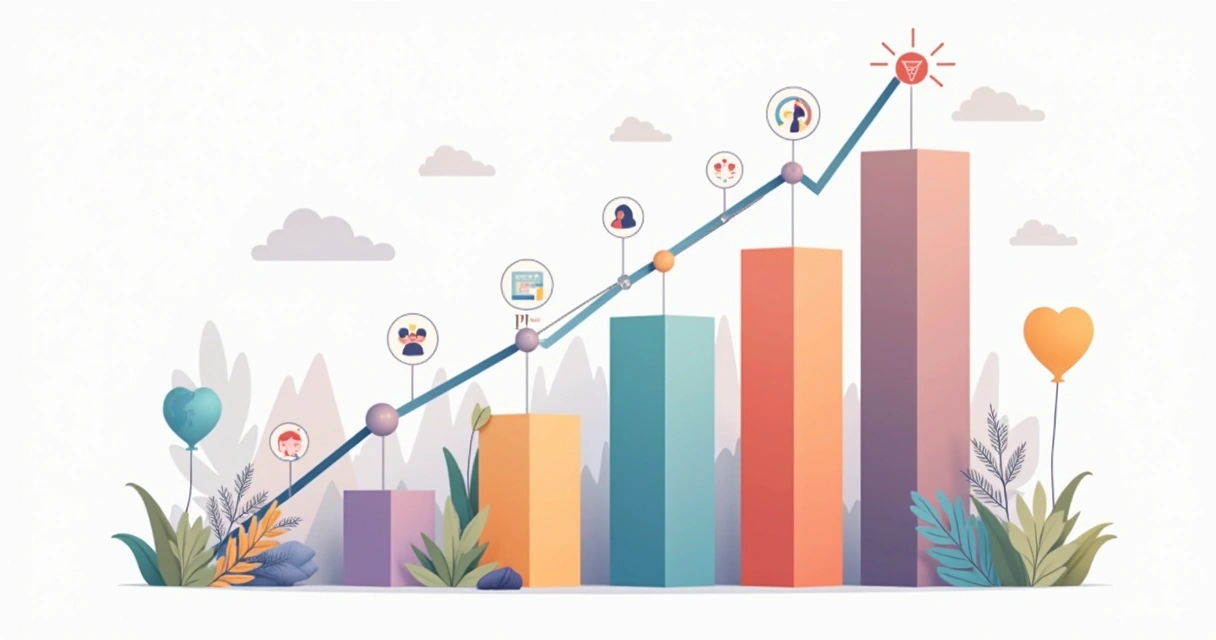
Effective social impact is built on honest self-reflection and correction.
By making these principles part of our everyday actions—not just our public stories—we create a cycle where trust grows naturally, rooted in shared benefit and real accountability. The rewards of genuine trust last much longer than applause for an impressive reputation.
Conclusion: What should we really invest in?
The world is filled with examples of reputation built on sand and impact built on stone. If we must choose what will truly build trust—at home, at work, or in society—we should first look at whether our impact matches our reputation. If not, the answer is clear:
What we do for others lasts longer than what others say about us.
Building trust is not about what image we put forward, but about the positive difference we consistently make.
Frequently asked questions
What is social impact in business?
Social impact in business refers to the positive effects that a company’s actions have on society and the environment, beyond simple financial gain. This may include fair employment practices, contributions to community well-being, ethical supply chains, environmental responsibility, and policies that promote social good.
How does reputation affect trust?
Reputation serves as the first impression and can attract trust in the short term. However, trust built solely on reputation is fragile. If reputation is not backed by real actions and visible outcomes, trust will weaken when those actions are scrutinized or fail to meet expectations.
Which builds trust faster: impact or reputation?
Reputation can help gain initial trust quickly because people rely on past stories and perceptions. However, social impact creates stronger and more lasting trust because it is based on proven results rather than just image or communication. In the long run, impact is the faster route to trustworthy relationships.
Is social impact worth the investment?
Yes, investing in social impact pays long-term dividends in trust, loyalty, and reputation resilience. While costs and efforts may seem higher at first, the positive outcomes—such as improved stakeholder relationships and stronger community ties—outweigh the initial commitment.
How can companies improve their trust?
Companies can improve trust by aligning words with actions, measuring and sharing the results of social initiatives, and maintaining consistent, ethical behavior. Listening to stakeholders, correcting mistakes with transparency, and focusing on meaningful impact over image help trust grow stronger.