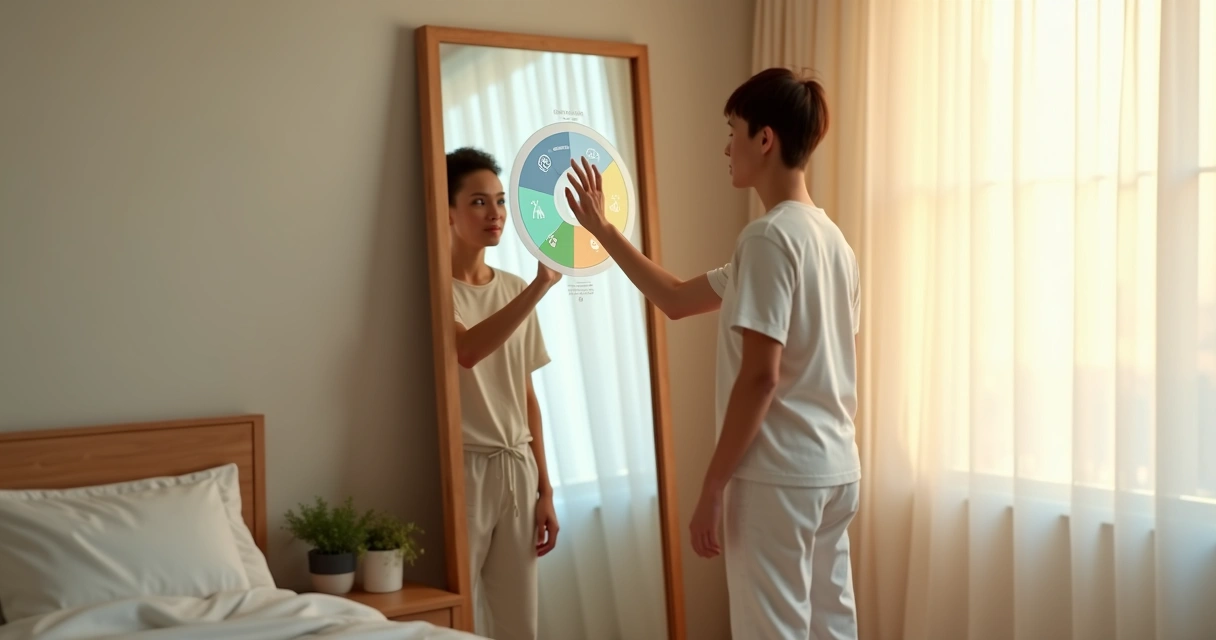


Sometimes, we come home expecting to find peace, but instead we are surrounded by lingering emotions from stressful days, misunderstandings, or past arguments. These feelings can stick to the walls of our living spaces and affect our well-being, relationships, and even our sleep.
Emotional residue is the trace of unprocessed feelings, tension, or conflict that remains long after the moment has passed.We have noticed that with practical steps, we can clear this residue and restore calm in our homes.
Create a dedicated space for emotion processing
Having a spot at home dedicated to quiet reflection or conversation gives us an anchor and a healthy routine for dealing with emotions. This space can be a chair near a window, a small reading corner, or just a cushion where we sit to notice and accept our feelings.
- Make it cozy and inviting.
- Return to this area when you need to process stress, disappointment, or frustration.
- Let others know what the space is for, so they understand its purpose.
A dedicated emotional space says, “Here, I can feel and then let go.”
Practice active listening during conversations
We often assume we already know what our loved ones want to say. But by listening with full attention, we allow unspoken feelings to surface. This helps prevent small irritations from building up into bigger conflicts.
- When a family member speaks, stop what you are doing and look at them.
- Respond with interest or gentle questions instead of advice or defense.
- Summarize what you heard before responding, to show understanding.
Establish regular clearing rituals
Just as we clean our floors, we can mentally “sweep” our home. We suggest a simple ritual, like opening windows, lighting a candle, or playing calming music once a week. This acts as a signal, encouraging everyone to pause and release pent-up feelings.
- Schedule a set time for your ritual, such as Sunday evenings.
- Involve everyone—children can sing or draw as part of it.
- Make it brief and positive, never a punishment.
Release the old, invite the new.
Encourage open, honest communication
Many emotional leftovers come from things left unsaid. We have seen that making it safe to express feelings—without interruption or judgment—keeps our emotional air clear at home.
- Set aside time regularly for a “family check-in.”
- Practice using “I feel” rather than “You always.”
- Accept emotions, even if you don’t agree with the reasons.
Declutter physical and emotional space together
When we let go of items we no longer need, it mirrors letting go of emotional baggage. Decluttering as a family is a shared act of renewal. An hour spent clearing out a closet can lead to a lighter, happier atmosphere.
- Choose a corner or shelf together and sort what to keep, give, or throw away.
- Notice how you feel before and after; talk about it.
- Tie in letting go of old emotions with letting go of objects.

Use calm-down signals for heated moments
Each family has moments when tempers run high. We recommend choosing a signal everyone knows—a word, gesture, or small bell—that says, “Let’s pause.” This immediate break stops resentment from solidifying.
- Decide together on your pause signal.
- Respect the signal without argument when it’s used.
- Come back to the discussion later, after a cool-down.
The pause is powerful. It can save an evening.
Introduce soothing sensory cues
Environmental cues help shift the mood and reduce emotional residue almost instantly.Try soft lamps in the evening, calming scents like lavender, or peaceful music after arguments. These signals tell our bodies it’s time to relax.
- Diffuse essential oils during stressful times.
- Lower the lights when a calm atmosphere is needed.
- Play gentle background music to soothe the environment.
Move your body after tension
Our bodies hold onto emotion as much as our minds. Physical movement—like stretching, walking, or even dancing in the kitchen—helps shake off stress.
- Suggest a walk or simple stretch after tough conversations.
- Children especially benefit from this, turning energy into play.
- Dance parties, yoga videos, or family hikes can all work wonders.

Reflect and forgive, even in small doses
Holding onto minor grudges creates residue that builds up over time. We can normalize forgiveness at home by talking about what bothered us, learning from it, and then letting it go. This does not mean ignoring pain, but not carrying it unnecessarily.
- Use phrases like “I was upset, but I want to move on.”
- Teach children that forgiveness is a habit, not a one-time act.
- Journaling or writing short letters (not always sent) helps too.
Set boundaries for emotional energy
We can protect our home’s emotional balance by agreeing on limits. This might mean not having serious talks right before bedtime, limiting technology during meals, or simply agreeing that certain subjects can wait until everyone is calm.
- Identify triggers—does homework tension spill into dinner?
- Make rules around when and how emotional topics are handled.
- Respect when someone asks for space without taking offense.
Conclusion: Why reducing emotional residue matters
We have seen firsthand how emotional residue can quietly shape our daily lives. Clearing it takes a bit of intention, but the rewards are real—fewer misunderstandings, lighter moods, better rest, and a greater sense of safety at home. By finding small, consistent ways to talk, move, tidy, and forgive, we build homes that heal instead of accumulate stress.
A home that clears emotional residue is a home that nurtures growth and connection every day.Frequently asked questions
What is emotional residue at home?
Emotional residue at home is the lingering effect of past feelings or conflicts that continue to influence the atmosphere and interactions, even after the original event has ended.This can show up as tension, avoidance, irritability, or a general heaviness in the air. We are often not fully aware of it, but it shapes the mood of everyone in the household.
How can I reduce emotional residue daily?
To reduce emotional residue every day, we suggest developing simple routines: talk openly about small issues before they grow, use calming rituals like music or lighting, actively listen to loved ones, and bring regular movement into your day. Clearing physical space, even for a few minutes, helps as well. Small consistent actions are what make the biggest difference.
Is it worth it to declutter regularly?
Absolutely. Regular decluttering not only keeps physical spaces open and pleasant, but also helps us let go of emotional baggage linked to our possessions or memories. Clearing out items we no longer need often has a surprisingly positive effect on our mood and relationships at home.
What are the best tools for reducing stress?
Some of the best tools for reducing stress at home include deep breathing, gentle movement, open communication, sensory cues like scents and calming sounds, and having physical spaces that invite relaxation. We recommend combining a few of these to see what feels most natural for your family.
How do I know emotional residue is gone?
You will notice emotional residue is gone when your home feels lighter and calmer, conversations flow more easily, and conflicts resolve faster. When you walk into a room and feel peace instead of tension, it is usually a sign that emotional residue has lifted. Pay attention to the overall mood and how relaxed people seem at home.