

We like to believe our group decisions are fair, objective, and based on facts. But reality is different. Hidden patterns, fast thinking, and subtle cues can quietly shape the decisions any group makes, even in the most well-meaning settings.
Recognizing unconscious bias in group decision chains isn’t just about identifying a problem. It’s about opening our eyes to how we think, speak, and act with others—so that we can act more consciously and with more integrity.
What is an unconscious bias in group decisions?
Unconscious bias refers to the automatic, often subtle, preferences or judgments we make about people, ideas, or options. These are not choices we consciously make. Instead, they slip into our minds through habits, past experiences, and societal conditioning. In a group, these biases become amplified. Consensus building, power dynamics, and social pressure can turn one person’s unconscious bias into a silent standard for everyone.
Every group, no matter how diverse or educated, brings assumptions and shortcuts into its process. These shortcuts shape what is noticed and what goes unseen. A team may believe they are weighing all viewpoints equally, but subtle cues—who speaks first, whose opinion gets repeated, how quickly agreement forms—can tilt the outcome.
Blind spots are rarely visible until we search for them.
Where bias starts in group decision chains
In our experience, bias sneaks into group decisions in many ways. To recognize them, we can watch for these common beginnings:
- Initial framing: How the question or problem is first presented often shapes every future discussion.
- Selection of voices: Who gets invited to the decision-making group, and who is left out?
- Information filtering: What information is shared or emphasized, and what is dismissed?
- Social influence: How dynamics, such as status or familiarity, steer agreement toward certain opinions.
Bias is most likely to appear early in the chain, before options are even on the table, and then ripple through every step that follows.
Common types of unconscious bias in groups
We have observed that some biases appear more frequently in group settings. By naming them, we can start to spot their patterns:
- Confirmation bias: Tendency to seek out or focus on information that agrees with existing beliefs. This keeps groups stuck in old patterns.
- Affirmation bias: Automatically siding with opinions that reflect our own group’s interests or backgrounds.
- Anchoring bias: Placing too much emphasis on initial information, even if it’s not the most relevant.
- Authority bias: Giving greater weight to the opinions of people seen as leaders or experts, regardless of content.
- Groupthink: Valuing harmony and consensus above critical evaluation, discouraging dissent.
This by no means covers all the manifestations, but we find these patterns most common, especially when decisions are urgent.

Early warning signs of bias in group chains
Sometimes we feel something is off in a group discussion without being able to name it. Here are some signs we’ve noticed, which may indicate unconscious bias is shaping the chain:
- Same people speaking repeatedly, while others remain quiet
- Quick agreement on a solution, without much debate or alternatives presented
- Certain ideas get dismissed instantly without real consideration
- Use of industry jargon that leaves some members behind
- Discussions that reference “how it’s always been done” as a reason for action
If we observe these in our teams or groups, it’s time to pause and reflect. Often, unconscious bias shows itself fastest in who does the talking and how disagreement is handled.
Recognizing patterns in decision steps
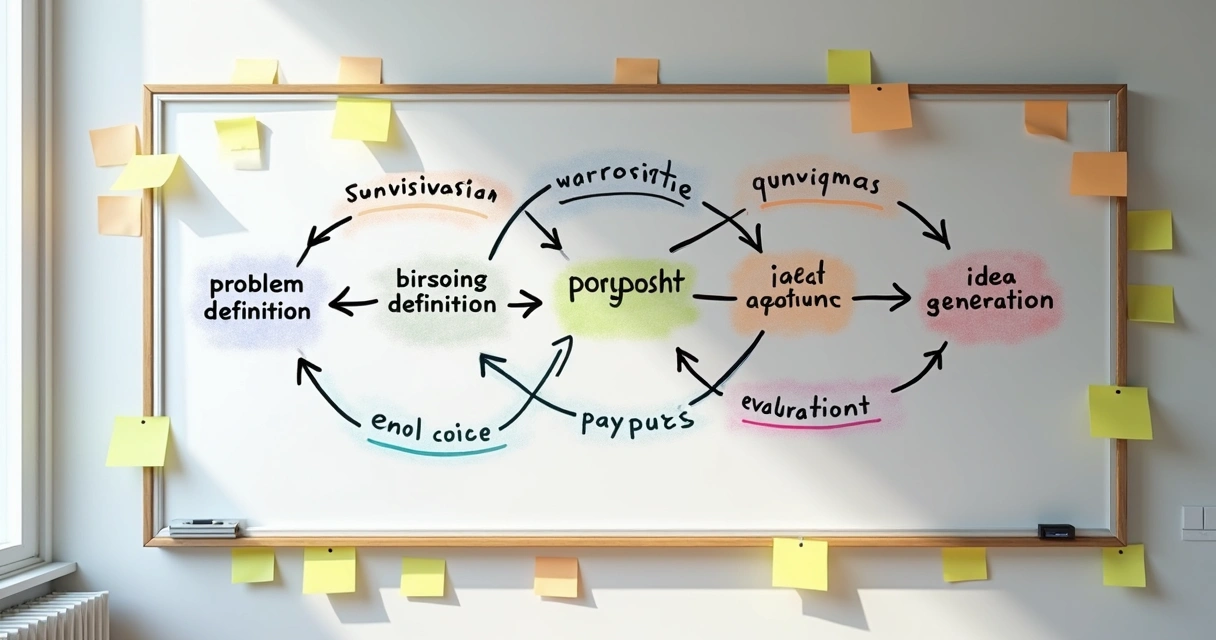
A decision chain consists of several steps. At each stage, unconscious biases can shape the outcome. We have identified four common stages where bias may slip in:
- Problem definition: Is the full range of the issue considered, or only what fits current beliefs?
- Options generation: Are all voices adding possible solutions, or just a few?
- Evaluation: Are people weighing evidence fairly, or clinging to their first impressions?
- Decision: Was consensus reached due to agreement, or to avoid conflict?
The strongest sign of bias is when any one stage goes unchallenged. If nobody questions the way the problem is framed or how options are selected, bias becomes invisible.
Practical ways to spot and challenge bias
We find it helps to keep some questions in mind whenever making group decisions:
- Are we hearing from everyone, or just a few loud speakers?
- Have we invited feedback or counterpoints?
- Did we start our discussions with an open mind, or were we aiming for a specific result?
- What voices or perspectives are missing? Have we made space for them?
Even asking these questions can shift the atmosphere in the room—suddenly, hidden patterns reveal themselves.
Building awareness as a habit
Recognition is only the start. We must routinely get comfortable with challenging ourselves and each other, not only when a mistake happens. In our experience, three good habits help create a foundation for this ongoing work:
- Rotate roles: Let different team members lead or facilitate discussions to prevent hierarchies from entrenching bias.
- Anonymous input: Encourage private or anonymous suggestions at early stages to reduce influence from authority or popularity.
- Structured pauses: Build “reflection pauses” into the group process for people to challenge or re-express thoughts before final decisions.
A story we remember involved a team convinced they had chosen the best solution. After a reflection pause, a quieter member shared a single overlooked concern. It changed the outcome completely.
Listening, adjustment, and humility
Spotting unconscious bias requires an ongoing commitment. We will not always recognize or resolve it in one meeting or project. What matters is showing up with curiosity, humility, and care for how we shape group reality.
Awareness opens the door to new possibilities.
Conclusion
Group decisions are never as neutral as they appear. Unconscious bias shapes each choice, from the earliest framing of problems to the final vote. When we acknowledge this, we empower ourselves to create fairer, more balanced outcomes. By listening for who is speaking, staying alert to fast agreements, and pausing for broader input, we give our groups a better chance to think and act with true mindfulness. Bias may be invisible at first, but with practice, we learn to spot it—and create decisions that honor every voice in the chain.
Frequently asked questions about unconscious bias in group decision chains
What is unconscious bias in groups?
Unconscious bias in groups refers to automatic preferences or judgments that members are not aware of. These biases influence how issues are framed, who is heard, and which ideas are valued. Often, they appear without anyone explicitly choosing them, and they shape the direction of discussions and group actions.
How can I spot unconscious bias?
You can spot unconscious bias by noticing patterns: who dominates discussions, whose contributions are overlooked, and when agreement seems too quick. Signs include lack of debate, repetition of the same perspectives, and dismissal of alternative ideas without proper consideration. Being mindful of these signs makes bias easier to recognize.
Why does bias affect group decisions?
Bias affects group decisions because our brains use shortcuts to process information quickly. In group settings, these shortcuts are amplified by social dynamics, status, and alignment with group norms. This can lead to certain options being favored or overlooked, creating decisions that aren’t fully balanced or objective.
How can groups reduce unconscious bias?
Groups can reduce unconscious bias by rotating roles, inviting diverse perspectives, encouraging anonymous input, and building structured reflection breaks into their process. Questioning assumptions at each decision stage and making sure every member has a chance to contribute also helps lessen the impact of bias.
What are common examples of group bias?
Some common examples include: agreeing quickly without debate (groupthink), giving more weight to leaders’ opinions (authority bias), sticking with first ideas presented (anchoring bias), and favoring similar backgrounds or views (affinity bias). These biases can shape every stage of decision-making, making awareness key to fairer group outcomes.