


Recent years have left one message clear: we must prepare to face the unexpected. In our own experience, building organizational resilience is no longer a luxury. It is a smart, everyday decision for those who want to prosper in the face of continuous change. We see organizations in 2026 needing to foster adaptability, emotional maturity, and a strong sense of collective responsibility to endure disruption and even use it as a catalyst for growth.
Understanding resilience as a foundation
Resilience in organizations describes the collective capacity to respond, adapt, and thrive when faced with challenges – whether they come as market shifts, technological changes, or social crises. It is not simply recovery. It is learning and growing stronger because of what happened. Based on studies covering psychological and organizational aspects, including a 2021 scoping review of 48 studies on organizational resilience training programs, boosting resilience directly lifts employee well-being and performance.
Being proactive: Not waiting for a crisis
Our work has taught us that being proactive is more effective than trying to “fix things” after the fact. Rather than waiting, we invest in prevention and preparation by nurturing the following areas daily.
- Cultivating emotional awareness: Recognizing and working with emotions improves team communication and helps organizations respond, not just react. We have seen how regular emotional check-ins open a safe space for sharing uncertainty and reducing anxiety.
- Developing flexible mindsets: Training for cognitive flexibility prepares teams to see multiple solutions, not just one path. In practice, we focus on celebrating diverse viewpoints, which reduces fear of mistakes and strengthens shared problem-solving.
- Promoting systemic responsibility: A resilient organization understands its wider impact. We encourage looking beyond the company to consider the well-being of customers, partners, and communities.
Building resilience in practical, everyday ways
It is not enough to talk about values and mission. Real resilience relies on practical, clear actions that shape how people think and behave all year round.
Self-awareness and conscious decision-making
Success starts with people. We believe self-aware leaders make better decisions under pressure. Training sessions on mindfulness and emotional intelligence are an effective way to reduce stress and foster inner clarity. Over time, we notice that self-knowledge among staff directly affects the quality of choices made across teams.
Resilient people make resilient organizations.
We equip teams with tools for conscious decision-making, like regular reflection groups or peer feedback circles. These routines create trust and openness to challenge old assumptions.
Transparent communication and psychological safety
Organizations with open and honest communication bounce back faster from setbacks. We have found that straightforward and transparent updates, even about difficulties, build trust. Creating psychological safety means encouraging questions, suggestions, and even warnings—without fear of punishment.
Regular open forums or town halls, including anonymous question submission, are simple but powerful. Everyone’s voice matters when facing uncertainty.
Developing adaptive structures and distributed leadership
Rigidity is the enemy of resilience. Companies with layers of bureaucracy slow down when quick decisions matter. We recommend distributing decision-making. Empowering local managers and frontline staff to act within clear principles speeds up the response to challenges.
Flexible structures, such as cross-functional teams, increase organizational agility. We have seen fantastic results when teams from different backgrounds come together to solve complex problems, especially under pressure. Shared leadership helps sustain momentum even when one group stumbles.
Scenario planning and operational slack
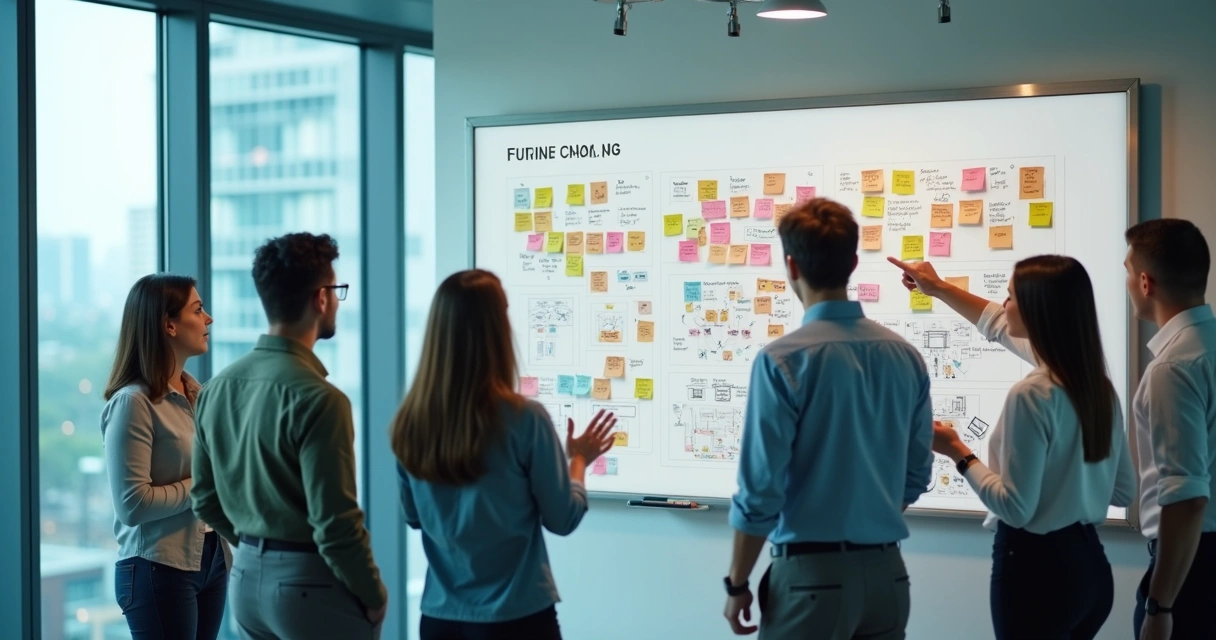
Rather than reacting to each wave of uncertainty, we guide organizations to plan for several possible futures. Scenario planning workshops allow teams to anticipate threats and rehearse possible responses. While we cannot prepare for everything, seeing a range of outcomes helps people feel less overwhelmed.
In line with studies on organizational resilience metrics, maintaining a margin of “operational slack” (resources like time, cash reserves, or backup supplies) and widening business scope improve resilience. These aren’t wasteful; they are buffers for tough times and spaces for innovation.
Prioritizing well-being as ongoing strategy
Several studies, including a 2022 analysis on organizational and psychological resilience, show that rising resilience increases employee well-being and engagement. We have watched teams recover faster and even enjoy work in adversity when health—physically and emotionally—is prioritized.
- Offer counseling or mental health support—without stigma—to everyone.
- Create routines for movement and regular breaks throughout shifts.
- Promote participation in decision-making to reduce powerlessness.
- Recognize and celebrate resilience when it happens.
Investing in the human side is not just caring, it is wise planning. People who feel valued and supported give more and last longer.
Learning from setbacks: The feedback loop
One thing we always stress: the act of learning is central to resilience. It is not about avoiding problems, but making sure every misstep becomes new knowledge.
After a setback, we recommend holding structured debrief sessions. In our practice, we ask:
- What did we notice, and when?
- What went well in our response?
- Where did we stumble?
- What actions can we take to prevent this next time?
This process turns fear of failure into motivation. People feel trusted to speak openly and keep improving the system, not just themselves.
Balancing consistency with continuous adaptation
Adaptation flows best when grounded in shared values and regular routines. We create rituals that reinforce resilience: weekly learning sessions, short “resilience talks,” or success stories that show growth from adversity, not just profit or survival.
We encourage organizations to monitor resilience using the three metrics highlighted in recent research: initial loss from disruption, maximum loss, and total loss over time. Regularly checking these helps teams understand where to strengthen structures, practices, or attitudes.

Conclusion: Preparing resilience for 2026
In our experience, organizations do not build resilience by chance. It is a deliberate, ongoing commitment to awareness, flexibility, communication, and collective well-being. The practical steps we have described allow teams to face rapid change, support each other, and keep growing—no matter what 2026 brings. By embracing emotional maturity, distributed decision-making, regular scenario planning, and support for every individual, we prepare organizations not only to withstand disruption but to come out of it better than before.
Frequently asked questions
What is organizational resilience?
Organizational resilience means the ability of a group, company, or institution to handle challenges, adapt to sudden changes, and keep growing despite setbacks. It is more than just bouncing back—it is learning and improving from every experience.
How can we build resilience in 2026?
We suggest focusing on empowering employees, developing flexible and inclusive leadership, maintaining open communication, running scenario planning sessions, and ensuring the well-being of all staff. Combining these practical actions with regular learning and honest feedback sets a strong foundation for resilience in 2026.
What are practical resilience strategies?
Examples include providing psychological support, distributing leadership roles, creating cross-functional teams for better problem-solving, investing in mindfulness or stress-reduction programs, and maintaining operational buffers like extra resources or diverse suppliers.
Why is resilience important for organizations?
Resilience helps organizations survive and adapt in the face of crises, uncertainty, or market shifts. It promotes staff well-being, keeps teams motivated, and allows the company to keep delivering value, even during disruption.
How to measure organizational resilience?
Current research recommends tracking the initial loss after disruption, the maximum loss experienced, and the total accumulated loss over time. These measurements, along with feedback from staff and customers, help organizations understand strengths and areas for improvement.