


Every business decision leaves a mark. Some marks are clear and immediate. Others ripple quietly, shaping our culture, our relationships, and even the way we see ourselves. We believe that integrating ethics into our daily business choices is not simply a compliance task—it is a living practice that brings purpose, trust, and lasting well-being to all involved.
What does it mean to act ethically in business?
Ethical business decisions go far beyond legality and rules. They live in the small moments—in the email we write, the deal we negotiate, and the empathy we show. When we talk about ethics at work, we are talking about aligning our actions, words, and intentions with values that honor human dignity, fairness, and mutual benefit.
Strong ethics make ordinary choices extraordinary.
Often, the real test is not in the grand gestures, but in how we respond to pressure and ambiguity. Our ethical character becomes visible when there is something to lose or gain, and the path forward is not obvious.
How our values shape our choices
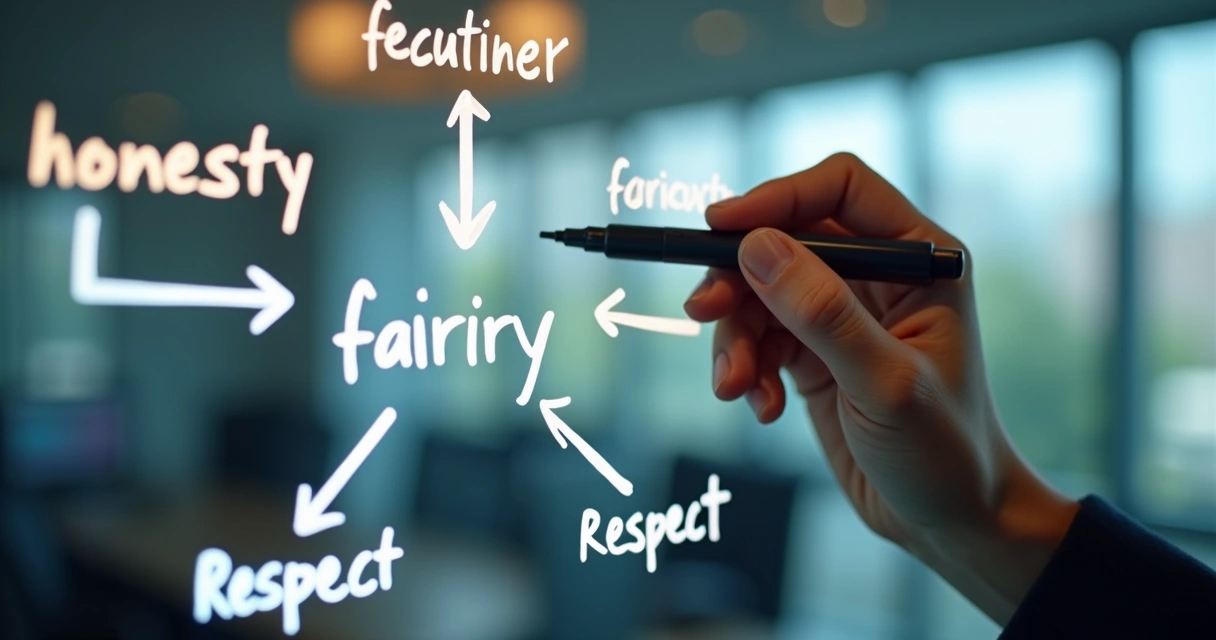
We all carry a set of personal and collective values. In a business environment, these shape every decision—whether acknowledged or not. Transparency, respect, honesty, fairness, and responsibility are frequent pillars. But each organization, and each individual, may prioritize them differently.
Sometimes values come into conflict with one another. For example, we may value openness, but also loyalty to our team. Balancing these is an ongoing process. In our experience, the more consciously we discuss and define what we believe in—as a group and as individuals—the easier it becomes to make choices that align with both our conscience and our goals.
The invisible cost of ignoring ethics
Failing to consider ethics creates hidden risks. Short-term profit can be tempting, but it sometimes comes at the price of trust, reputation, or even legal trouble later. We have seen small lapses, like misrepresenting information to close a deal, snowball into bigger problems: lost clients, poor morale, regulatory headaches.
Building a culture that rewards integrity protects not just our financial interests, but our social legacy as well.

Practical steps for integrating ethics daily
We often find that talking about ethics feels easier than putting it into practice. Here are ways we have learned to weave ethics into everyday business actions.
Make values visible
Discuss values as a team. Make them part of job descriptions, onboarding, and even team meetings. When these values become visible and familiar, people start to recognize ethical questions sooner—before problems arise.
Encourage open dialogue
Invite questions and honest discussions about ethical concerns. An open door policy is not enough; safe, judgment-free spaces must be created to voice doubts or dilemmas. We have seen how a simple question—“Is this the right thing to do?”—can shift an entire conversation.
- Run periodic ethics workshops related to your business context
- Set aside team time to reflect on “grey area” decisions and learn together
- Celebrate moments when someone speaks up, even if it means uncomfortable truths
Empower decision-making at all levels
Often, the biggest impact comes from giving everyone—not just managers—the tools and trust to make ethical choices. Having clear guidelines, but also encouraging individual reflection, helps team members spend less time fearing mistakes and more time acting with integrity.
Slow down at key moments
Ethical lapses happen most often under stress and speed. We must pause—especially before decisions that affect others, involve money, or could be misunderstood.
Pause before you proceed.
This does not mean endless delays. Sometimes, taking just a few deep breaths and asking ourselves “Would I be comfortable if this decision was public?” or “Does this align with who we are as a group?” is all it takes.
Tools and frameworks for ethical choices
No single formula can guarantee an ethical outcome, but we can apply some simple questions or models to guide us when things get blurry:
- Would I feel proud to explain this decision to my family or community?
- What if the roles were reversed—how would I feel on the receiving end?
- Does this benefit a few at the expense of many?
- Would this choice stand up to outside scrutiny?
Some groups use written codes of conduct, while others create checklists specific to their work. What matters most is that they are not buried in handbooks, but used in real discussions. Tools should make acting ethically easier, not harder.
Leading by example
Those in formal leadership have a unique power to set the tone. But every person who chooses ethics over convenience quietly leads. In our opinion, consistent choices speak louder than mission statements or slogans.
Do what you say, and others will listen.
We notice that ethical leadership is contagious. It grants permission for others to act bravely and to recover from mistakes honestly. When leaders publicly own errors or call out missteps, real trust is built.
Conclusion: Ethics as a foundation for business and humanity
Ethics in daily business is not a box to check off. It is a source of respect, connection, and purpose. With every action, we tell a story about who we are and what kind of world we want. In our experience, organizations that prioritize integrity create workplaces people are proud to belong to—and contribute to a future where success means more than just profit.
Frequently asked questions
What is business ethics in daily decisions?
Business ethics refers to the application of values like honesty, fairness, and respect to the choices we make at work every day. This includes both big decisions and small, routine actions. Upholding ethics in daily work means considering how our choices affect people, relationships, and the reputation of our organization.
How to make ethical business choices?
To make ethical business choices, we suggest reflecting on your values, thinking about the impact of your decisions, and asking if you would feel comfortable sharing the choice publicly. You can use checklists, seek advice from colleagues, and slow down when a decision feels complicated. Practicing open conversation and learning from real situations help strengthen ethical thinking over time.
Why is ethics important in business?
Ethics is important in business because it builds trust, attracts customers and partners, and protects the reputation of the company. When people feel respected and treated fairly, they are more likely to invest in, work with, or support the business. Ethical behavior reduces risks and creates a lasting positive impact for everyone.
What are examples of ethical dilemmas?
Examples of ethical dilemmas in business include deciding whether to be fully honest with a client about a mistake, choosing between reporting a colleague's misconduct or staying loyal, facing pressure to exaggerate results, or dealing with conflicts of interest that may affect your judgment. These situations often have no easy answer, but careful reflection and clear values help guide us.
How can I encourage ethics at work?
You can encourage ethics at work by discussing values openly, rewarding honesty, and creating a safe environment for people to raise concerns without fear. Leading by example, offering training, and providing clear guidelines for behavior make it easier for everyone to make ethical choices. Sometimes, recognizing and celebrating small moments of integrity helps ethics become part of the everyday culture.