
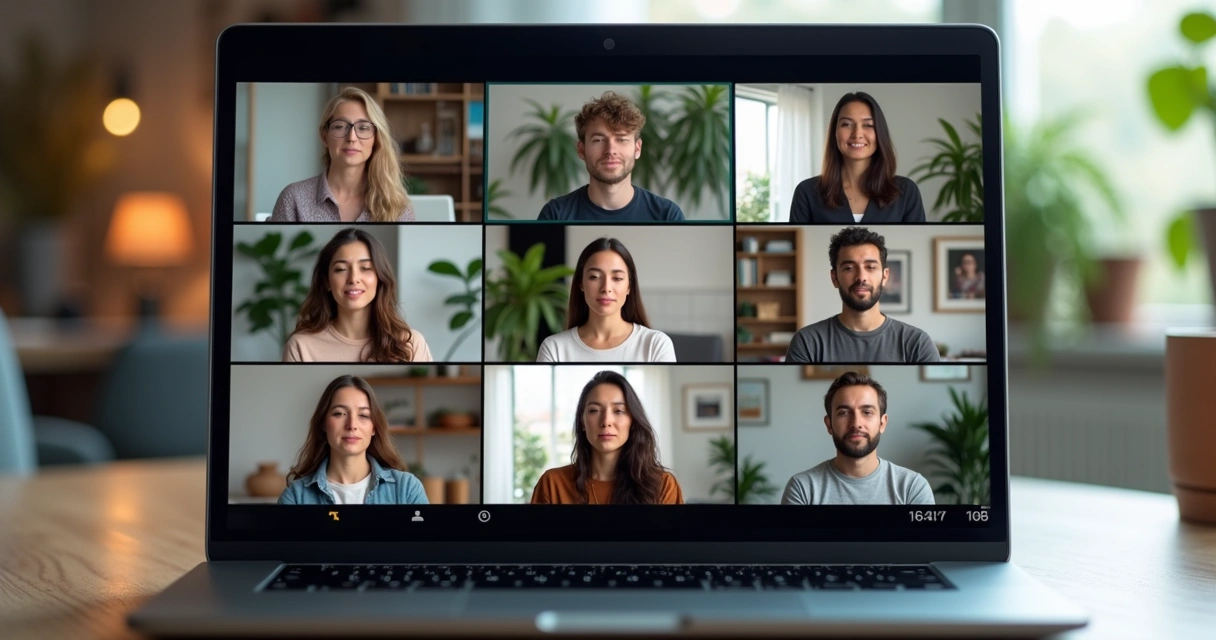
Digital teamwork can feel fast, noisy, and mentally crowded. Messages arrive all day. Meetings stack up. People reply while thinking about three other things. We have seen this pattern often, and the cost is not only stress. It also affects trust, clarity, and the quality of group decisions.
Mindfulness in digital teamwork means paying full attention to the task, the message, and the people involved, with less reactivity and more intention.
That may sound simple. In real workdays, it is not. Still, small practices can change the tone of a team. A calmer meeting. A clearer message. A pause before a tense reply. These moments seem small, but they shape the culture people feel every day.
A study from the University of Nottingham found that employees with higher mindfulness levels were better protected against digital workplace stressors, with lower anxiety and burnout. We think this matters even more in remote and hybrid work, where pressure can stay hidden behind screens.
1. Start meetings with one quiet minute
We like this practice because it is short, clear, and easy to repeat. Before the first person speaks, invite everyone to take one quiet minute. Cameras can stay on or off. No one needs to perform calmness. The point is just to arrive.
In our experience, the first minute often decides the quality of the next thirty. People stop rushing in from other tabs. Breathing slows. Attention returns to the room.
- Ask people to close extra tabs if possible.
- Invite one slow breath in and out.
- State the meeting goal in one sentence after the pause.
This can feel unusual in the first week. Then it starts to feel normal. And helpful.
Presence changes the meeting.
2. Write messages with a pause before send
Digital communication creates speed, but speed can also create friction. We have all seen messages sent too quickly, with the wrong tone or incomplete context. A mindful team builds a pause between impulse and action.
A ten-second pause before sending a message can prevent hours of confusion later.
We suggest a simple rule for tense topics: write, reread, then ask three questions.
- Is this clear?
- Is this respectful?
- Is this the right channel for this message?
One short story comes to mind. A team member once drafted a sharp reply after a delayed delivery. After a pause, they changed one line and moved the topic to a call. The issue was solved in ten minutes. Without that pause, the whole thread could have become defensive.

3. Create clear focus blocks for deep work
Mindfulness is not only about breathing. It is also about how we protect attention. When teams expect instant replies at all times, people split their minds all day. Work gets fragmented. Stress rises quietly.
Instead, we can agree on focus blocks. These are shared periods when replies may be slower because people are doing concentrated work. This lowers guilt and cuts constant checking.
A good team agreement might include:
- Two daily focus blocks of 60 to 90 minutes.
- Status labels that show when someone is in deep work.
- One rule for what counts as urgent.
This kind of structure supports calmer work without forcing silence all day. It also respects different rhythms. Some people think best early. Others settle later.
4. Use live mindfulness moments, not only recordings
Many teams share recorded wellness content. That can help, but live practice has a different effect. When people pause together, there is shared presence. It feels less like one more resource sitting in a folder.
A longitudinal study published in the Journal of Medical Internet Research found that live online mindfulness programs led to clear decreases in workplace stress, while recorded sessions alone were less effective. We think this is a useful lesson for managers and team leads.
You do not need long sessions. A live five-minute reset before a hard deadline can be enough. A weekly guided pause can help people feel grounded and seen.
When mindfulness is shared in real time, teams often feel more connected and more willing to stay present.
5. Build mindful listening into team calls
In digital meetings, people often listen while preparing their own reply. We nod, but our attention is already elsewhere. Mindful listening asks for something different. We listen to understand first.
We can make this practical with a few habits:
- Let one person finish before the next responds.
- Reflect back the main point in one sentence.
- Keep side chat for links and notes, not parallel debates.
This is especially useful in conflict. When people feel heard, they usually soften. Not always. But often enough to change the tone of the room.
Research published in the Archives of Psychiatric Nursing highlighted that intentional self-care practices, including mindfulness, can improve job satisfaction, teamwork, and the workplace environment. That fits what we have seen. Teams work better when people bring steadier attention to each other.

6. Set digital boundaries that protect recovery
Teams cannot stay mentally fresh if work follows everyone into every hour. Mindfulness includes knowing when to stop. Without boundaries, attention becomes thin and recovery becomes weak.
We suggest a few shared limits. Keep them simple and visible. For example, avoid non-urgent messages late at night, define expected response windows, and do not praise constant availability as if it were commitment.
A JMIR Mental Health study found that both digital games and mindfulness apps supported post-work recovery, with mindfulness apps showing a modest advantage in reducing stress. That tells us recovery can be supported on purpose, not left to chance.
Sometimes the healthiest team message is very short: we can continue tomorrow.
Rest supports better attention.
7. End the week with a brief reflection ritual
Mindfulness grows with reflection. If teams never stop to notice what worked, what felt heavy, or what needs to change, they repeat the same week again and again.
A Friday ritual can take just ten minutes. We can ask each person to share three short points:
- What helped me stay focused?
- What pulled my attention away?
- What will I adjust next week?
This kind of check-in helps teams notice patterns before they become bigger problems. It also builds a culture where awareness is part of the work, not separate from it.
Conclusion
Mindfulness in digital teamwork is not a soft extra. It is a daily way of working with more care, clearer attention, and less automatic reaction. We do not need dramatic changes to begin. One minute of silence before a meeting, one calmer message, one protected focus block, one honest reflection at the end of the week. These are practical steps. They are human steps.
When teams practice them with consistency, the digital space starts to feel different. Less scattered. More respectful. More aware.
Frequently asked questions
What is mindfulness in digital teamwork?
Mindfulness in digital teamwork is the practice of being attentive and intentional during online work. It includes focused meetings, clearer messages, calmer reactions, and better awareness of mental overload.
How to start practicing mindfulness online?
We suggest starting small. Begin meetings with one quiet minute, create short focus blocks, and pause before sending messages. A practice is easier to keep when it fits the normal workday.
What are the benefits of digital mindfulness?
Digital mindfulness can lower stress, reduce emotional reactivity, improve attention, and support better teamwork. It may also help people recover after work and feel more present during collaboration.
Can mindfulness improve remote team communication?
Yes. Mindfulness can improve remote communication by helping people listen better, write with more care, and respond with less tension. This often leads to clearer conversations and fewer avoidable conflicts.
Is it worth it to use mindfulness apps?
They can be worth trying, especially for short guided pauses and after-work recovery. Still, we think apps work best when they support a wider team practice, not when they are the only step taken.